Jessie Chen
Hiking the Inca Trail
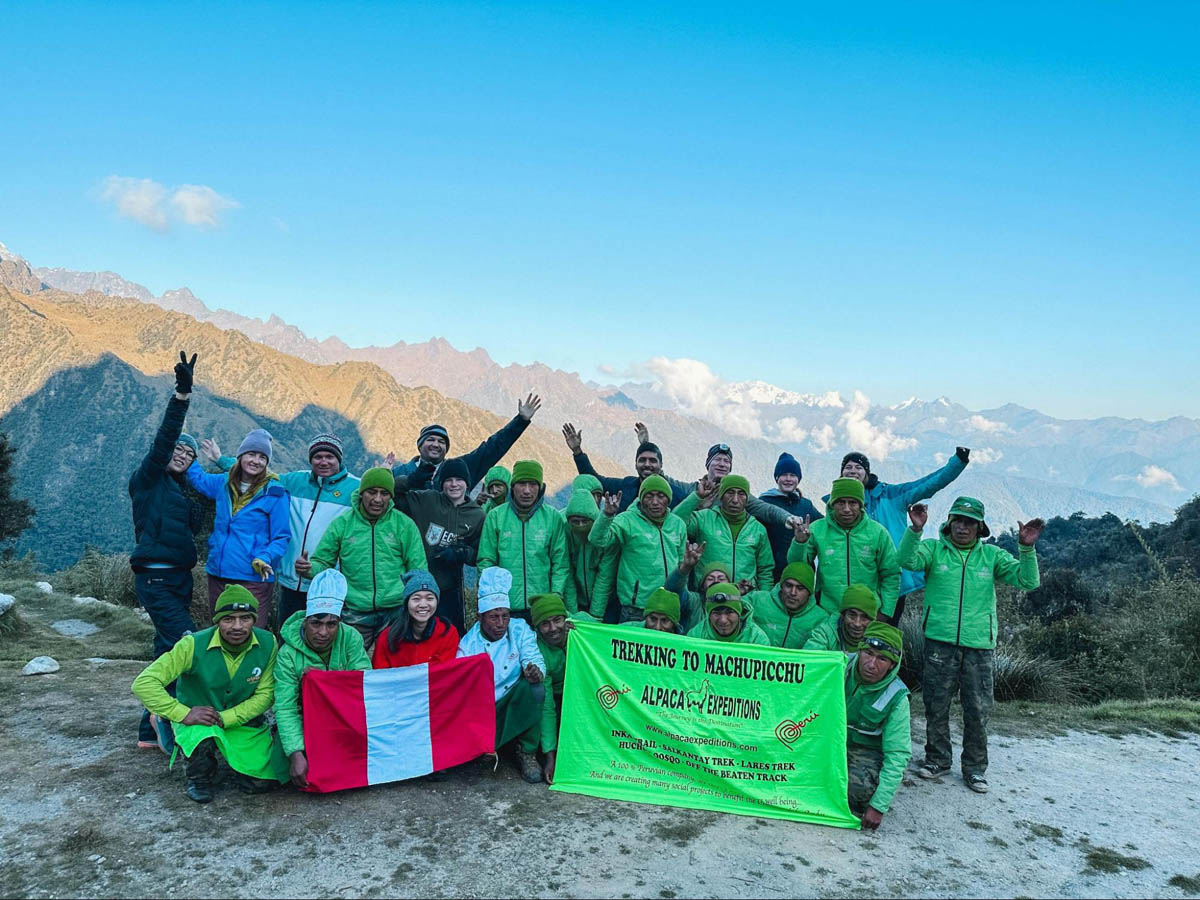
Last year, I finally got to check off a big bucket list item of mine: hiking the Inca Trail and seeing Machu Picchu. Most people visit by train or bus on a day trip, but we figured if we were going to see one of the seven modern wonders of the world we needed to do it justice and go big! We decided to go with a trekking company called Alpaca Expeditions. They caught my eye for being a 100% locally-owned company committed to social and sustainable projects. Their mission was to give back to the Andean communities and villages around Cusco and Peru.
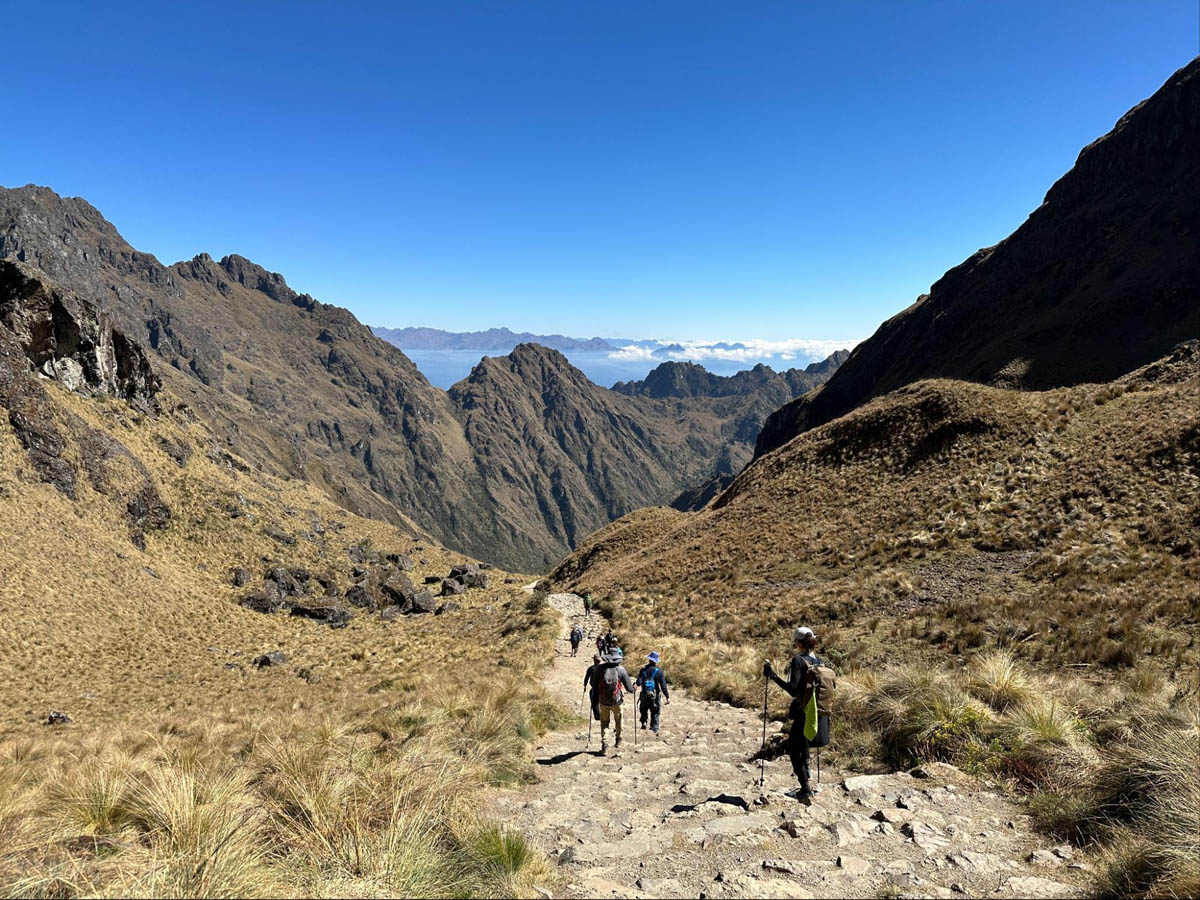
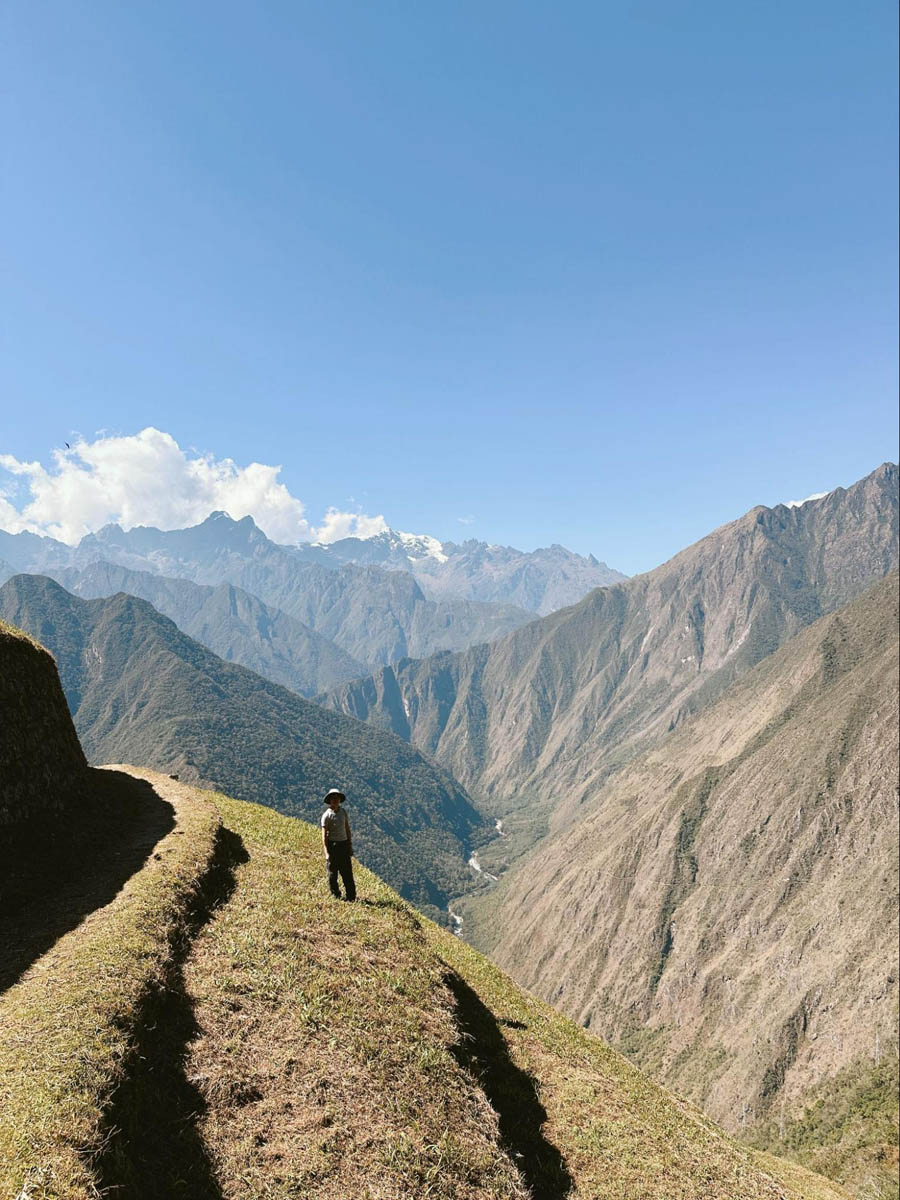
For our trek, we chose to do the “Classic Inca Trail” which covers 46 miles (41.8km) over the course of 4 days. The hike took us through jungles, up steep Andean mountain paths, past centuries-old Incan ruins, and over breathtaking valley views.
The trek was a test of my physical and mental endurance – it was my first time hiking at such high altitudes and one of the hardest things I’ve ever done physically. But while I was huffing and puffing my way up the mountain, our porters were the true heroes. They carried all of our camping and food supplies, up to 3x the weight of our own daypacks. They often sped past us so they could get to our campsite and have everything set up for us by the time we arrived. And they cooked the most elaborate meals that were some of the best I had during my time in Peru. To say I was impressed is an understatement.
Alpaca Expeditions was founded by an indigenous Incan, Raul Ccolquem who grew up near the Sacred Valley and worked as a porter and guide for many years. Because of his connection to the land and people, he wanted to build a company that was committed to sustainable tourism and the well-being of the porters and local communities. For a destination as famous as Machu Picchu, there is a fine line between conservation and exploitation. The local communities rely heavily on the tourism industry, but foreign corporations are also after those same dollars. That’s why it’s so important to do the research and ensure the money you spend as a tourist will actually go back into the hands of the people who strive to protect and preserve these places.
Our hiking guide shared many lessons and insight with us throughout the hike. We learned about the history of the trail, the Incan culture, as well as stories about the communities that currently call this area home. This rich background amplified my appreciation and wonder. I could feel time unraveling as I walked on the same paths that the Incans had paved and hiked hundreds of years ago.
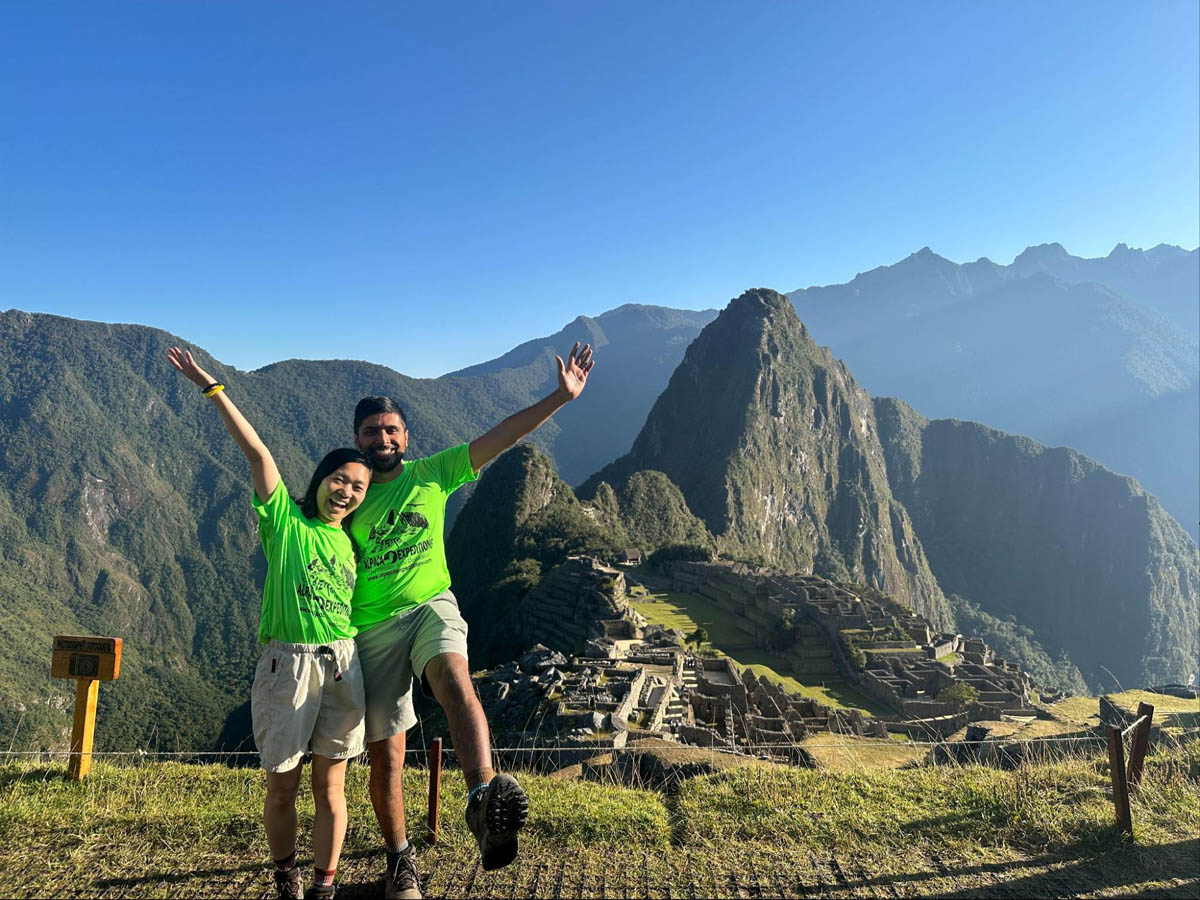
On the morning of Day 4, we arrived in time for sunrise at the Sun Gate. As we climbed up the final flight of steep stone steps, I caught my first glimpse of the magical sight of Machu PIcchu just as the clouds were parting. You can only access this view as part of the Inca Trail, which was a top reason we decided to do the hike. After 4 challenging days of hiking, sleeping in tents, early wake-up calls, and not having a shower or proper indoor plumbing, we finally laid eyes on the highly anticipated landscape. I felt incredibly grateful for my body for being able to bring me to this very spot.
As we entered the grounds of the ruins themselves, we started to see day trippers arrive by the busload. Our unwashed hair and dusty backpacks immediately set us apart from the well-rested and cleanly-dressed crowds, but I wore my dirt with pride. As cliche as it sounds, my experience on the Inca Trail truly wasn’t about the destination. We weren’t just making a pit stop at Machu Picchu, taking a photo, and crossing it off our list. The act of hiking forced me to slow down and experience with all my senses. The soreness in my leg muscles, the tight squeeze in my lungs as I fought the altitude, the early morning dew forming on the roof of our tent, the mountains that stood witness to empires rising and falling. I would not have wanted to experience this wonder in any other way.